
The College of General Studies, in partnership with other academic departments and schools, is excited to announce new courses offered in an online, asynchronous format. Browse the list below to find courses that align with your academic needs and interests. Online courses fill quickly, so we encourage you to register early.
- CHEM 0410 General Chemistry 1
-
Instructor: Carol F. Fortney
 Class size: 72Frequency: FallClass Format: Web / Asynchronous (no scheduled meetings)
Chemistry 0410 and 0420 comprise a two-term introduction to the fundamental properties of matter. The courses emphasize applications to industrial and environmental chemistry and biochemistry. CHEM 0410 covers stoichiometry, the properties of solids, liquids and gases, thermochemistry and the electronic structure of atoms and molecules.
What does this course count for in CGS: General Education Requirement: Natural Science (DSAS); Natural Science BA; Liberal Studies BA
Interested in Chemistry? Visit the Department of Chemistry » - DENHYG 1931 Foundations in Community Oral Health Engagement
-
Instructor: Paulette Dietz
 Class size: 30Frequency: FallClass Format: Web / Asynchronous (no scheduled meetings)
This course will guide students through the process of creating a dental public health program. Students will learn the ADPIED process as it relates to community health. Throughout the course students will identify a community of interest, develop a needs assessment, and ultimately provide them with a deliverable that will be evaluated.
What does this course count for in CGS: Community Health Assessment Certificate; Health Services BA: Community Health Assessment Track; Dental Hygiene BS: Community Engagement, Outreach & Leadership Track
Interested in Dental Hygiene? Visit the Department of Dental Hygiene » - DENHYG 1941 Introduction to Interprofessional Health Informatics
-
Instructor: Kelly Wagner
 Class size: 30Frequency: FallClass Format: Web / Asynchronous (no scheduled meetings)
This course will introduce students to the rapidly evolving field of health informatics. Students will be introduced to how information technology intersects with current health care delivery models. The course includes a concise overview of information systems and applications, including electronic health records, telehealth, clinical decision support, and social media tools, as well as implementation and management of these systems.
What does this course count for in CGS: Dental Hygiene BS: Interprofessional Health Informatics Track; Health Services BA: Managing Health Services Programs and Projects Track; Managing Health Services Programs and Projects Certificate
Interested in Dental Hygiene? Visit the Department of Dental Hygiene » - ENGCMP 0610 Composing Digital Media
-
Instructor: Jialei Jiang
 Class size: 25Frequency: Fall, Spring, SummerClass Format: Web / Asynchronous (no scheduled meetings)
This course requires students to compose digital media while exploring the rhetorical, poetic, and political implications of multiple writing platforms. Students will learn how to compose a range of critical media objects using web-authoring languages, text, sound, images, and video in proprietary and open-source software. Classes will focus on theories of writing, composing, design, critique, delivery, and networked distributions; critique and analysis of digital media produced by professional and amateur digital media practitioners; and analysis and revisions of digital media composed by the students themselves.
What does this course count for in CGS: General Education Requirement: Creative Work (DSAS), Writing Intensive Course (WRIT); Liberal Studies BA; Media & Professional Communications BA; Digital Media Certificate; Corporate/Community Relations Certificate; Writing for the Professions Certificate
Interested in English Composition? Visit the Department of English » - ENGCMP 0641 Writing for Change
-
Instructor: Liberty Ferda
 Class size: 25Frequency: FallClass Format: Web / Asynchronous (no scheduled meetings)
This course is an opportunity for students to examine and produce writing that engages in advocacy, solidarity, social critique, and/or social justice. Students will explore theories of persuasive writing for public audiences, as well as argumentative strategies more broadly. Students will define the subject of a core project for the term, and move beyond understanding an issue to understanding various discourse communities that generate writing on that topic, how those organizations represent themselves, and how they define an audience. Our theoretical discussion will be balanced by a more pragmatic look at the language of social change, and how various writing forms, produced by nonprofits, activist groups, international organizations and coalitions, as well as socially engaged journalism, inform, persuade, and engage the public. Students in Writing for Change can expect to compose traditional essays as well as public writing in print, digital, visual, and a variety of other forms of persuasive communication.
What does this course count for in CGS: General Education Requirement: Writing Intensive Course (WRIT); Liberal Studies BA; Media & Professional Communications BA; Corporate/Community Relations Certificate
Interested in English Composition? Visit the Department of English » - FMST 0860 Producing Social Media
-
Instructor: Oliver Arellano Padilla
 Class size: 25Frequency: Fall, SpringClass Format: Web / Asynchronous (no scheduled meetings)
Producing Social Media is a film and media studies course that combines critical studies and production to critically analyze, understand, and produce the social media that dominates much of current culture in terms of production elements, platforms, trends, and genres. We'll put critical theory into practice by making social media projects that explore the possibilities of this digital, mobile, and global production model as well as interrogate how the data and monetary infrastructures contain and limit the creative potentials of this medium. Given how fast these spaces change, a larger holistic understanding of content differentiation, audience interaction, influencer culture, and obsolescence are key to prepare students and practitioners for working and thinking in these spaces. In the course, students will curate or make weekly content as well as produce and design their own larger media projects. This is a course that combines Critical Studies with Production. It counts for Category III towards the Film and Media Studies major and minor.
What does this course count for in CGS: Digital Media Certificate; Media & Professional Communications BA: Digital Media Track
Interested in English & Film Studies? Visit the Department of English » - ENGFLM 1533 Disability in Film and TV
-
Instructor: Alison Patterson
 Class size: 25Frequency: FallClass Format: Web / Asynchronous (no scheduled meetings)
This course explores disability in media through representational tropes and trends as well as how political activism has focused on mainstream media as a site for protest, a site for education, and a site for self expression. We will explore trends in film and television while engaging with the important roles of social media and online communities. This is a Critical Studies course and counts for Category II for the Film and Media Studies major and minor. It is part of the Disability Studies Certificate.
What does this course count for in CGS: General Education Requirement: The Arts (DSAS), Diversity (DSAS); Disability Studies Certificate; Liberal Studies BA
Interested in English & Film Studies? Visit the Department of English » - GSWS 0200 Sex, Race, & Popular Culture
-
Instructor: TBD
 Class size: 30Frequency: SpringClass Format: Web / Asynchronous (no scheduled meetings)
Popular culture is often defined as a collection of ideas, images, beliefs and practices that have become an essential component of peoples’ daily lives. While popular culture is dismissed by some as merely a mass consumer culture, others acknowledge that contemporary popular cultural forms may, in keeping with a history of once contemporary popular art, culture, and literature (e.g. Dickens, Warhol, etc.) Come to be understood as essential, canonical and elite. Ultimately, these materials may be read as a texts that inform our understanding of culture and social life and prompt such questions as: how does popular culture (re)construct our sense of “ordinary” life as something extraordinary? Why are some cultural forms dismissed and others more readily accepted? What social processes bring cultural forms into the public domain? This course will examine popular culture in a variety of forms such as: music, art, television, collectibles, internet, and social media. Students will consider examples from Western, non-Western, and “global” culture, but will use sex and sexuality, gender, and ideas of race to understand the relationship between popular culture, material culture, representation, and consumerism, and power and resistance. It will also address these phenomenon over time. This course will make especially strong use of contemporary and popular media such as video clips, internet media and images, and music.
What does this course count for in CGS: GSWS Certificate
Interested in Gender, Sexuality & Women's Studies? Visit the Department of GSWS » - RELGST 1725 / HPS 1623 - 7510 Death and the Healthcare Professions
-
Instructor: Jonathan Weinkle
 Class size: 25Frequency: Summer 12 weekClass Format: Web / Asynchronous (no scheduled meetings)
The American culture of the 20th and 21st centuries has been called, not death-defying, but death-denying. It is often said that America is the only place in the world that treats death as optional. Once upon a time, we couldn’t have open, public conversations about breast cancer, because the word could not be uttered aloud. In many places, it is just as hard today to have an open, public conversation about death and dying. This phenomenon is not just a social more; it affects the practice of many professions and entire segments of our economy and society. This course will explore our individual and cultural reactions to mortality, the ways in which dying in today’s America is different from dying throughout history or elsewhere in the world, and the responses of a variety of professions, both within the field of healthcare and beyond, to their encounters with people in the various stages of dying. Students will be asked, at turns, to be scientific, philosophical, clinical, analytical, and emotional in encountering the concepts and material presented here. This should be a true interdisciplinary experience.
What does this course count for in CGS: Health Services majors and Community Health Assessment certificate; Liberal Studies BA; Certificate in Conceptual Foundations of Medicine in DSAS
Interested in Religious Studies? Visit the department of Religious Studies » - SWAHIL 1615 Swahili Coastal Culture: Gateway to Africa
-
Instructor: Filipo Libua
 Class size: 60Frequency: Fall, SpringClass Format: Web / Asynchronous (no scheduled meetings)
This course introduces students to the Swahili culture, and will serve as a gateway to understanding African culture and society. It explores the social-cultural customs, traditions, values, beliefs and experiences that give a unique identity to the Swahili people of East Africa. The course will draw concrete examples from literature, film, music, social media and other sources of cultural information. Students will examine and discuss different cultural aspects of Swahili people, and will identify the similarities and disparities between the Swahili (African) culture and American or student's own culture. This course may be helpful to people who are planning to travel to East Africa, other parts of Sub-Saharan Africa, or people who want to understand the East African culture and Africa in general.
What does this course count for in CGS: General Education Requirement: Cross-Cultural Awareness (DSAS), Geographic Region (DSAS); Africana Studies; Liberal Studies BA
Interested in Swahili? Visit the Less-Commonly-Taught Languages Center» - SWE 1615 Sweden: From Vikings to Now
-
Instructor: Anna Sukhanova
 Class size: 60Frequency: Fall, SpringClass Format: Web / Asynchronous (no scheduled meetings)
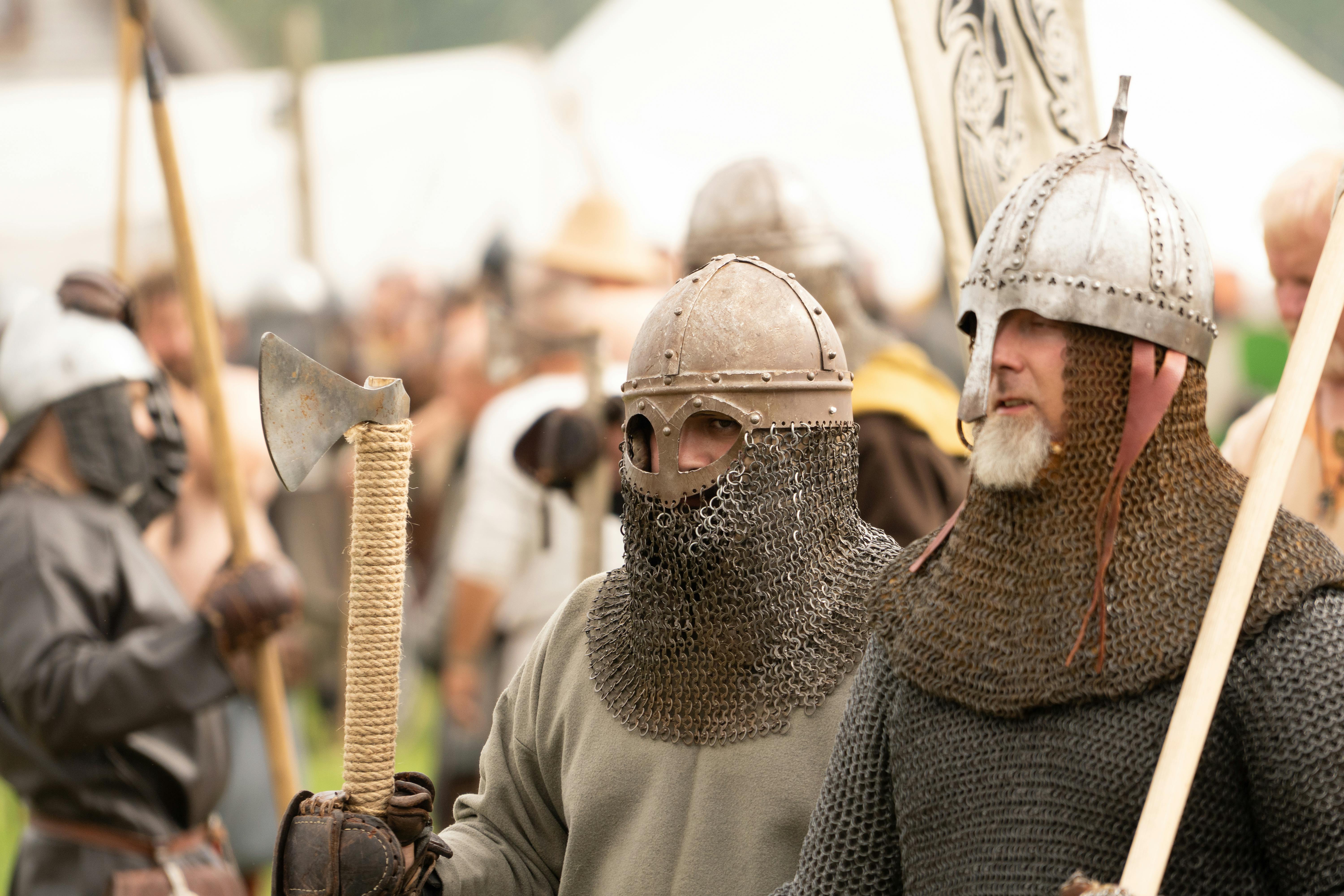
Sweden – land of the Vikings, IKEA and midnight sun… But what is modern day Sweden really like? How did it change from a traditionally homogeneous country into the multi-cultural society it is now? In this course, you will gain a deeper insight into how Sweden became the country it is today, what Swedish culture is and how it is changing. After a historical overview, we will look at areas like marriage and family, politics, religion, holidays and customs to try to grasp the hidden elements of Swedish culture that form society and the national identity. We will analyze characteristics usually associated with Sweden – fairness, self-sufficiency, egalitarianism and democracy, gender equality – and compare how these values differ from other cultures.
What does this course count for in CGS: General Education Requirement: Geographic Region (DSAS); Medieval & Renaissance Studies; European and Eurasian Studies; Transatlantic Studies; West European Studies; Liberal Studies BA
Interested in Swedish? Visit the Less-Commonly-Taught Languages Center» - THEA 0950 Digital Branding and Design
-
Instructor: Gianni Downs
 Class size: 25Frequency: Fall, SpringClass Format: Web / Asynchronous (no scheduled meetings)
This entry-level course teaches students to solve creative problems using industry-standard 2D design tools, Adobe Photoshop and Illustrator. By combining fundamental design principles with modern digital workflows, students learn to create compelling visual content for professional contexts. The curriculum integrates the ethical use of Generative AI as a strategic partner for brainstorming and asset production, teaching students to navigate the technical and ethical landscapes of AI-enhanced design. Coursework progresses from specific technical challenges to a final cohesive personal branding project, ensuring students leave with practical, portfolio-ready skills.
What does this course count for in CGS: Digital Media Certificate; Media & Professional Communications BA: Digital Media Track
Interested in Theatre Arts? Visit the Department of Theatre Arts »